

Originally published by RiAus on 24 September 2014.
The ‘ice bucket challenge’ has gone viral over the past few months and is now the most watched thing on YouTube, ever. Its popularity has been credited to a simple premise and celebrity involvement helping it to raise millions of dollars. Search Motor Neuron Disease (for Australia) or Amyotrophic Lateral Sclerosis (for America) and you will find heaps of facts, information on what this money goes to and statistics about those whom are suffering from this disease. But what is it really like to live with this disease, what is it like to watch someone you know go through this?
This isn’t a typical article about Motor Neuron Disease, nor is it an article on what the ice bucket challenge actually raises money for. This is about what it is like to live with someone who is going through this debilitating process every day. However, for those of you who haven’t read the many articles available at the moment on Motor Neuron Disease, I’ll give you a brief overview of the condition.
Motor Neuron Disease (otherwise known as Amyotrophic Lateral Sclerosis in America) is a progressive and terminal neurological disease in which the motor neurons slowly die. These are the nerve cells that take the conscious messages from the brain to your muscles in order to move.
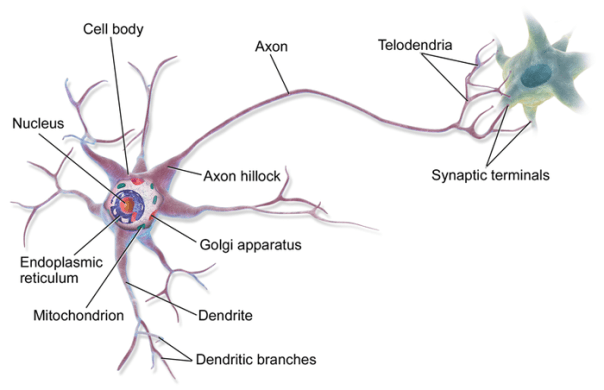
This means that the muscles of the back, legs, arms and neck, along with the muscles that control speech, swallowing and breathing stop working. This then leads to the paralysis of those regions, and eventually death. There is no known cause of, or cure for MND. Likewise, once a symptom presents itself and prevails within their life, there is no remission and the patient becomes quickly, and progressively worse. Often, people suffering from MND simply cease to breathe (due to the lack of muscle control and function) between one moment and the next.
My personal MND story began when I first met Steve 2 and a half years ago. At the time he was struggling to breathe when lying down and unable to sleep unless he was sitting up. He was visiting numerous doctors and gradually losing weight. After 18 months of running from appointment to appointment, they finally figured out what was wrong with him. In November 2013, Steve, a 47 year-old man was diagnosed with Motor Neuron Disease. Immediately, the doctors informed him and his two sons that the prognosis wasn’t good, the lifespan after diagnosis is generally 27 months. But, having atypical symptoms (patients generally lose muscle control in the limbs before respiratory control, unlike Steve), his survival rate was decreased even further.
Immediately we contacted the MND foundation of Australia and tried to find out what help we could get. We were offered support and since then a steady stream of nurses, therapists and health professionals have marched through our lives and our home to make life more manageable. Our home is now kitted out with an electronic hospital bed, a wheelchair that looks like it belongs in Transformers and a computer that Steve can control with his eyes. This computer is also linked up to have control over anything that uses a remote, effectively the entire house. A little space age silver lining in an otherwise hopeless situation.
The statistics say that 2 people are diagnosed with MND every day in Australia, and every day 2 of these people pass away from their ailment. 2 people in about 23 million does not seem like a large amount, but, doing the maths, that’s approximately 730 who pass away every year. This tragic statistic does not take into account how quickly this disease acts and the strain that it can place upon family and friends. In the past 10 months, a relatively healthy 47 year-old has progressed to a 48 year-old whom can barely feed himself.
Whilst there is no cure for MND, there are treatments that can help to prolong life expectancies and help to reduce the onset of developing symptoms.
One such treatment is the drug commonly called Riluzole, which can prolong the median survival rate of MND patients by two to three months. Riluzole works by decreasing the activity of the motor neurons by blocking the release of an amino acid called glutamate. When one neuron releases glutamate other nearby neurons can detect it and they respond by becoming more ‘excited’ and ready to transmit message. Too much glutamate release causes the neuron to become hyper-stimulated which eventually results in it’s death. By blocking glutamate release Riluzole can stall this nerve deterioration for a short time.
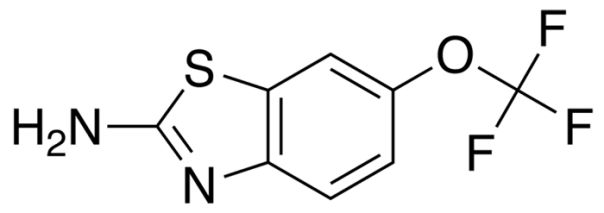
Multiple daily injections are delivered by nurses, along with tablets that help Steve to live as normal a life as we can manage. In January we were told that he had 6 month to live, he’s now lived 9 months since that prognosis, thanks in no small part to the medication that he receives. We recently found out that when he’s asleep, he stops breathing. Completely. Without the assistance of his oxygen mask, well, it goes without saying…
The assistance and support of numerous health professionals and the MND foundation of Australia has enabled us to support Steve whilst he still lives at home. Without this, an elderly home or some form of care would be required. The amount of publicity this incredibly terrifying disease has gained through the ‘ice bucket challenge’, celebrity endorsements and diagnosis is incredibly gratifying and appreciated. Everybody’s story is different when it comes to this disease and knowing that there are those out there who are willing to help and provide support is a daily gift for which I, personally, am very thankful for.

 Earth and Skye